


Transform Your Landscape with Stunning Hardscape Ideas

Transforming your outdoor space can elevate the beauty and functionality of your property. One of the most effective ways to achieve this is through creative hardscape design ideas. Hardscaping involves the use of non-living elements like stone, concrete, wood, and metal to create structures and features that complement your landscape. Whether you want a cozy patio, a winding pathway, or a dramatic retaining wall, hardscape design can bring your vision to life.
In this post, you will discover practical and inspiring ideas to enhance your yard with hardscape elements. From choosing the right materials to integrating natural features, these tips will help you create a stunning outdoor environment that suits your style and needs.
Inspiring Hardscape Design Ideas to Elevate Your Outdoor Space
When planning your hardscape project, consider the overall style and purpose of your landscape. Here are some popular hardscape design ideas that can transform your yard:
Patios and Seating Areas: Create a welcoming space for relaxation and entertainment by installing a stone or paver patio. Use natural stone like flagstone or slate for a rustic look, or concrete pavers for a modern feel. Add built-in seating or fire pits to enhance comfort and ambiance.
Walkways and Pathways: Define your garden paths with materials such as gravel, brick, or cobblestone. Curved walkways add a sense of flow and mystery, while straight paths provide a clean, structured appearance.
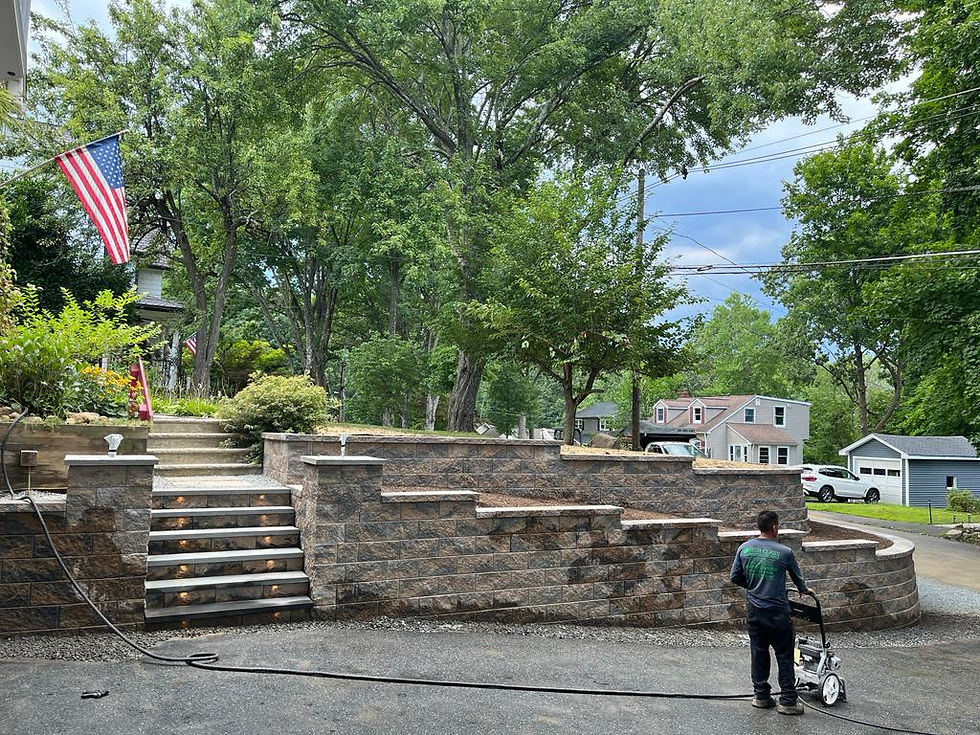
Retaining Walls and Terraces: If your yard has slopes or uneven terrain, retaining walls can prevent erosion and create usable flat areas. Use stacked stone or concrete blocks to build terraces that add dimension and interest.
Water Features: Incorporate fountains, ponds, or waterfalls to bring tranquility and movement to your landscape. Hardscape materials like stone and concrete can be shaped to form natural-looking water elements.
Outdoor Kitchens and Fireplaces: Extend your living space outdoors with a built-in kitchen or fireplace. Use durable materials such as brick, stone, or stainless steel to withstand the elements and provide a stylish focal point.
These ideas can be mixed and matched to suit your preferences and budget. Remember to plan for lighting and drainage to ensure your hardscape is both beautiful and functional.

What is a Hardscape in Landscaping?
Hardscape refers to the non-plant elements in a landscape design. Unlike softscape, which includes plants, flowers, and grass, hardscape consists of materials like stone, concrete, wood, metal, and brick. These elements form the structural foundation of your outdoor space and serve both aesthetic and practical purposes.
Examples of hardscape features include:
Patios and decks
Walkways and driveways
Retaining walls and garden borders
Fences and gates
Water features like fountains and ponds
Outdoor kitchens and fire pits
Hardscaping helps define spaces, control erosion, and improve accessibility. It also adds texture, color, and contrast to your garden, making it more visually appealing year-round. When combined thoughtfully with plants and greenery, hardscape creates a balanced and inviting environment.
Choosing the Right Materials for Your Hardscape Project
Selecting the appropriate materials is crucial for the success and longevity of your hardscape design. Consider the following factors when making your choice:
Durability: Choose materials that can withstand your local climate and weather conditions. For example, natural stone is highly durable and resistant to wear, while wood may require regular maintenance.
Style: Match the material to the architectural style of your home and the overall theme of your landscape. For a modern look, concrete and metal work well. For a traditional or rustic feel, natural stone and brick are excellent options.
Budget: Some materials are more expensive than others. Concrete pavers are generally affordable and versatile, while custom-cut stone can be costly but offers a unique appearance.
Maintenance: Consider how much upkeep you are willing to perform. Materials like gravel and concrete require less maintenance, whereas wood and some natural stones may need sealing or cleaning.
Safety: Ensure the surface is slip-resistant, especially for walkways and pool areas. Textured stone or pavers with grooves can provide better traction.
By carefully evaluating these factors, you can select materials that not only look great but also meet your practical needs.
Integrating Hardscape Landscaping with Nature
A successful landscape design blends hardscape elements seamlessly with the natural environment. Here are some tips to achieve harmony between your hardscape and softscape:
Use Natural Colors and Textures: Choose stones and materials that complement the colors of your plants and soil. Earth tones like browns, grays, and tans work well in most settings.
Incorporate Plant Beds and Green Spaces: Break up large hardscape areas with garden beds, shrubs, or trees. This softens the look and adds life to the space.
Create Focal Points: Use hardscape features like a water fountain or a sculptural retaining wall as focal points surrounded by lush greenery.
Consider Scale and Proportion: Ensure that hardscape structures are in proportion to the size of your yard and plants. Oversized walls or patios can overwhelm small gardens.
Plan for Seasonal Interest: Select plants that provide color and texture throughout the year to contrast with the permanence of hardscape materials.
By thoughtfully combining hardscape landscaping with natural elements, you can create an outdoor space that feels balanced, inviting, and visually dynamic.

Tips for Maintaining Your Hardscape Features
Proper maintenance will keep your hardscape looking fresh and functional for years to come. Here are some practical tips:
Regular Cleaning: Sweep patios and walkways to remove debris. Use a pressure washer or mild detergent to clean stains and dirt buildup.
Seal Surfaces: Apply sealant to stone, concrete, and brick surfaces to protect against moisture, stains, and fading.
Inspect for Damage: Check for cracks, loose stones, or shifting pavers. Repair promptly to prevent further deterioration.
Control Weeds: Use weed barriers under gravel or paver areas and remove weeds that grow between joints.
Manage Drainage: Ensure water drains away from hardscape features to avoid pooling and erosion.
Protect Wood Elements: For decks or fences, apply stain or paint regularly to prevent rot and insect damage.
By following these maintenance practices, your hardscape will remain a beautiful and durable part of your landscape.
Bringing Your Hardscape Vision to Life
Transforming your outdoor space with hardscape design ideas can dramatically improve your home's curb appeal and usability. Whether you want a peaceful retreat, an entertainment hub, or a functional garden, hardscape elements provide structure and style.
If you are considering a professional touch, explore options for hardscape landscaping services. Experts can help you design and install features that maximize your space and fit your budget.
Start planning today by sketching your ideas, selecting materials, and envisioning how your landscape will evolve. With creativity and care, your hardscape project will become a stunning extension of your home.
Enhance your outdoor living experience by embracing the beauty and versatility of hardscape design. Your dream landscape is just a few steps away!


Comments